

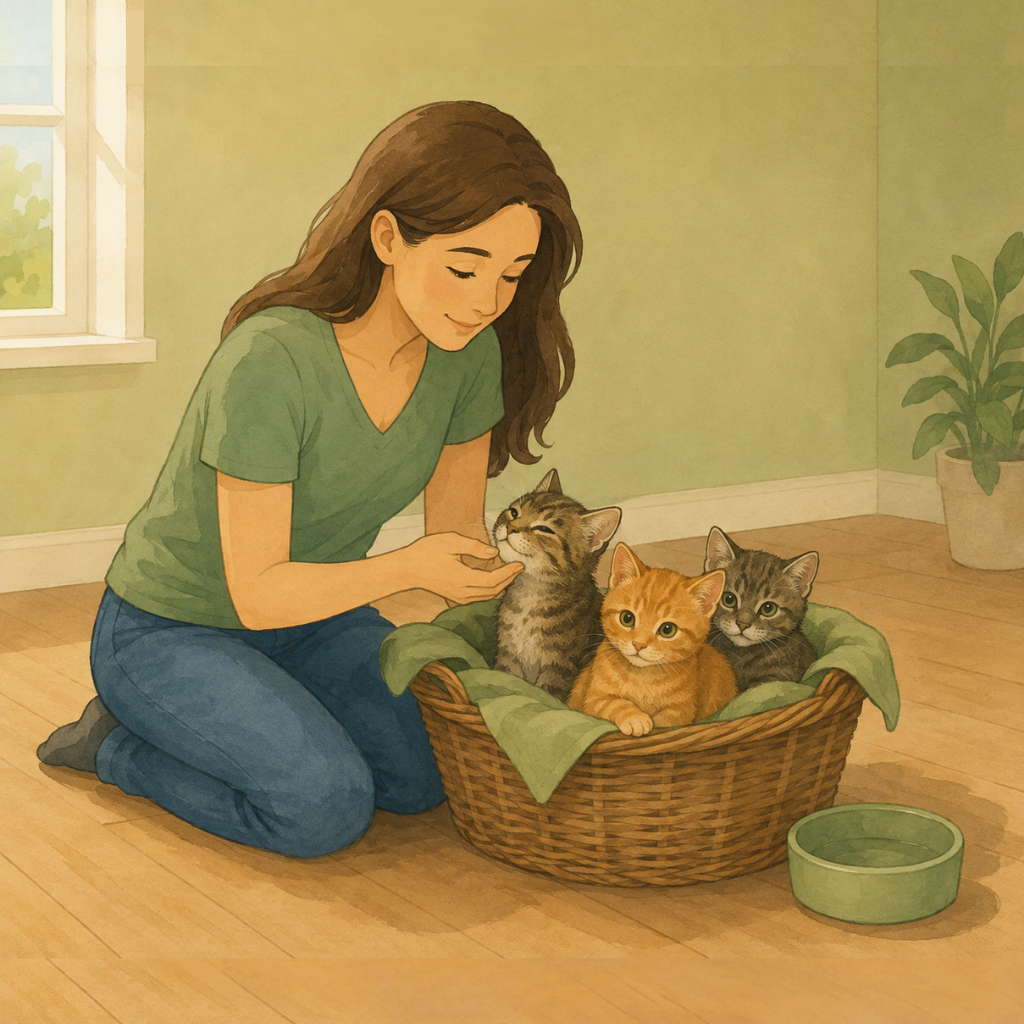
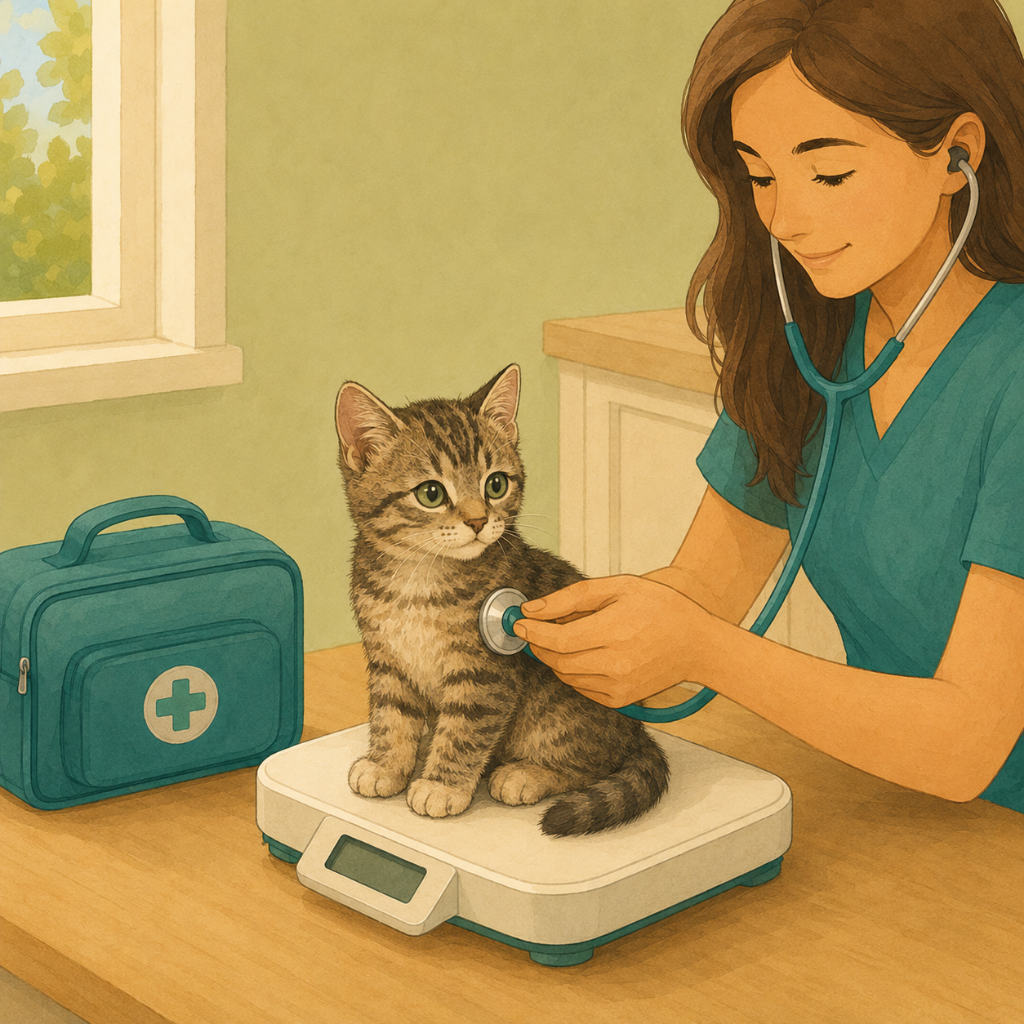


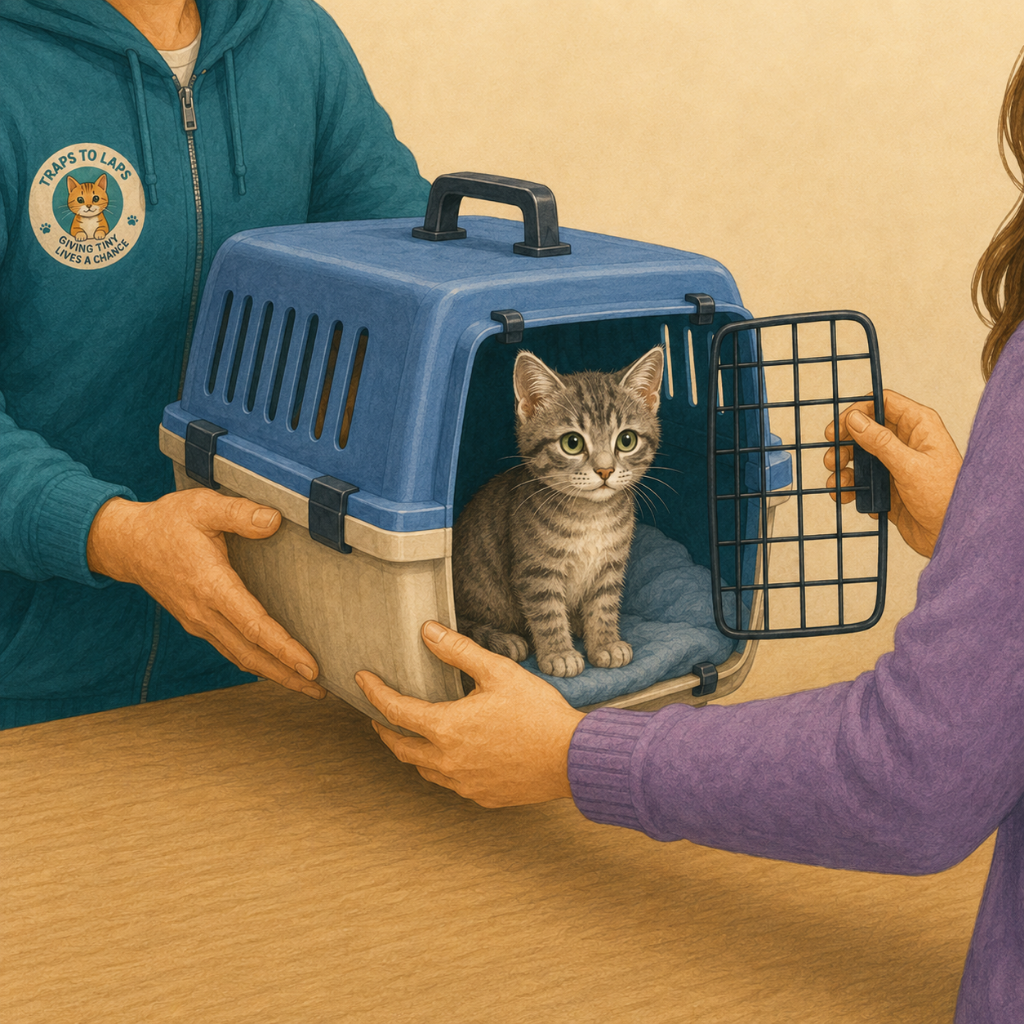


It starts with someone who notices.

Almost every litter enters the system the same way: a neighbor hears kittens under a porch, a coworker finds them behind a dumpster, a family notices a mother cat moving her litter across the yard.
In most communities, the only option offered at that moment is shelter intake. Traps to Laps treats that moment as the beginning of a pathway instead of the end of one — kittens are identified, their situation is assessed, and a plan is made before a shelter cage is the default answer.
Field Techs don't evaluate only the litter. They look at the environment around the finder, because the conditions that produced this litter usually produce the next one too.
- Finders are met with guidance, not a waitlist or a closed door.
- Age, condition, and whether a mother cat is still present shape the plan.
- Are there owned pets in the household who may need help — spay/neuter, dental care, or another significant issue?
- Are there unaltered feral or community cats around the property?
- If community cats are present, can a trapper be connected with the location so TNR (trap-neuter-return) can address the larger population?
Solve the kitten problem in front of you, and look upstream at what would create the next litter.